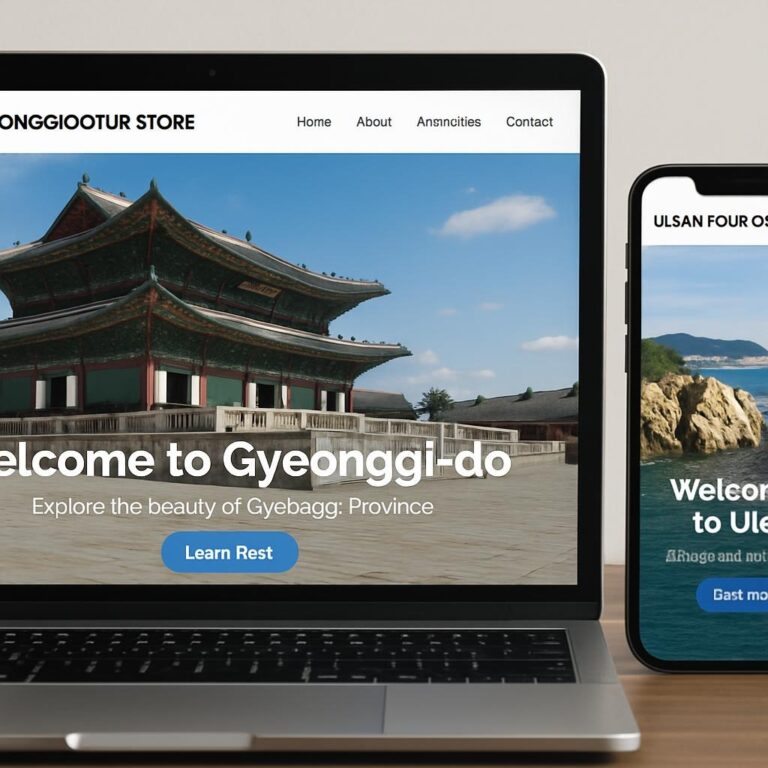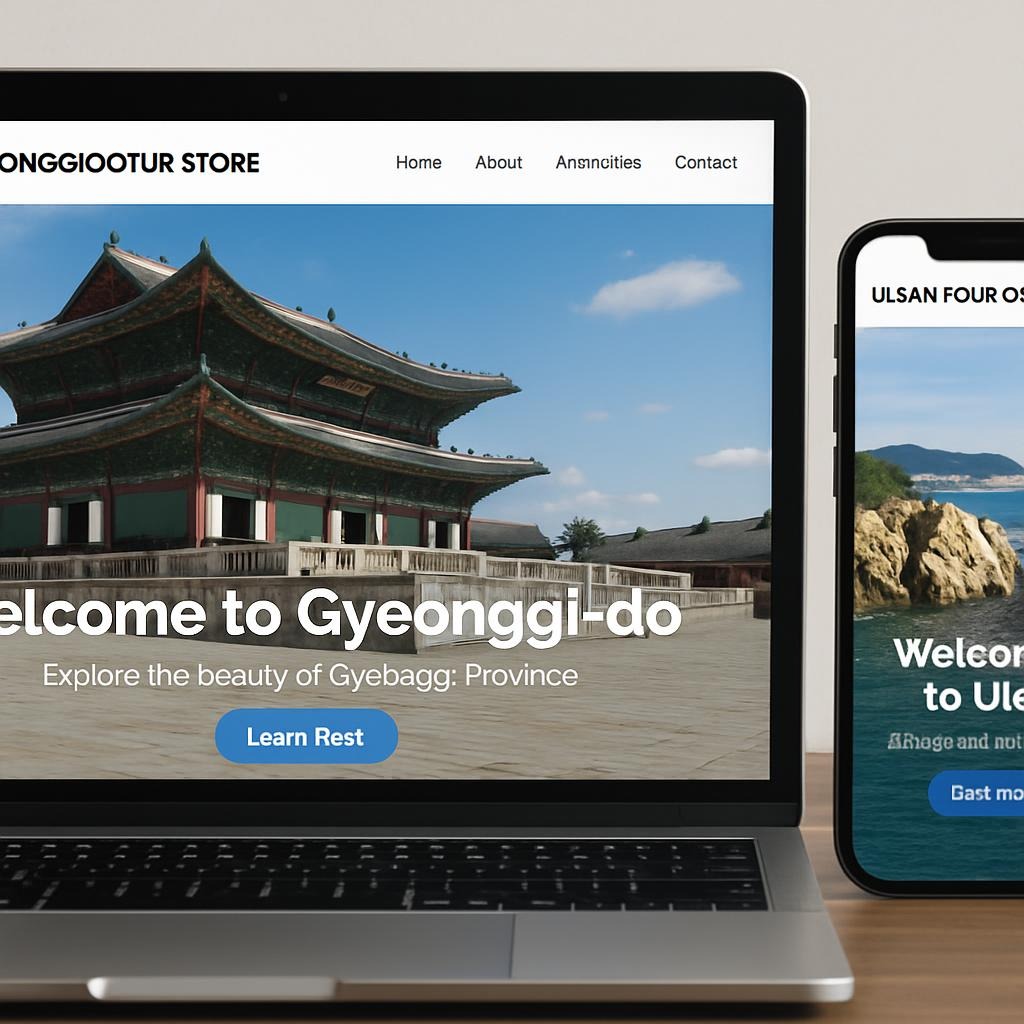
In the digital era, regional travel platforms have become essential bridges between curious explorers and local experiences. In a country as diverse and vibrant as South Korea, platforms like GyeonggiDoTour.store and UlsanTour.online have the potential to inform, inspire, and connect travelers with the unique character of each region.
Even before clicking through a website, the name of a platform sets expectations. A name can suggest place-based focus, travel philosophy, and the kinds of experiences users will discover. GyeonggiDoTour.storeevokes envisioning tours in the culturally rich province surrounding Korea’s capital, while UlsanTour.online suggests digital accessibility to local exploration in a coastal industrial city known for its dynamic blend of tradition and modernity.
This article explores what these names communicate to potential visitors, and how travel platforms rooted in locality can build lasting trust through informative, engaging content that goes beyond mere promotion.
Understanding the Power of Local Names

A website name functions as a first impression. It tells users what to expect and whether the platform might be relevant to their interests. Place-based names, especially those tied to specific regions or cities, help visitors immediately contextualize the content.
When a user encounters GyeonggiDoTour.store, the name suggests:
- A focus on Gyeonggi Province, which surrounds the capital city of Seoul
- A curated collection of suggestions, ideas, and inspirations related to tours
- A “store” of travel guidance—less commercial shopping and more a repository of options and insights
Similarly, UlsanTour.online conveys:
- A digital gateway to Ulsan, a major South Korean city on the southeast coast
- Accessibility at any time, hinting that users can explore information online, anytime
- A focus on touring experiences—whether for first-time visitors or repeat travelers
This kind of naming creates familiarity and reduces uncertainty, which is crucial for travel platforms where users are often making decisions about time, cost, and itinerary planning.
GyeonggiDoTour.store: A Gateway to Korea’s Cultural Heartland

Gyeonggi Province is not just a geographic area—it is a cultural crossroads that surrounds the capital and includes historic sites, natural landscapes, and modern attractions.
While the actual content of GyeonggiDoTour.store might still be under development, the name itself suggests a platform designed to showcase the diversity of experiences available in this region. From ancient palaces to serene temples, from panoramic rural landscapes to bustling urban rhythms, Gyeonggi Province offers something for every traveler.
To build credibility and usefulness—especially when a platform is name-driven and conceptual—travel content should focus on informative perspectives such as:
- Local traditions, festivals, and seasonal highlights
- Historical sites and why they matter
- Nature escapes—hiking trails, scenic lakes, and parks
- Unique food and lifestyle elements of Gyeonggi Province
- Tips for first-time visitors and how to get around
By offering well-researched insights rather than just promotional blurbs, a platform based on the name “GyeonggiDoTour” can become a trusted local guide rather than just another travel site.
UlsanTour.online: Discovering Urban and Coastal Harmony

Ulsan is a city of contrasts: a powerful industrial base meets coastal beauty, and modern development meets traditional culture. While UlsanTour.online does not currently show visible content, its name alone communicates an opportunity to explore both the natural and industrial landscapes that define the city.
The name suggests a platform that:
- Is accessible and user-friendly (online indicating digital-first)
- Focuses on Ulsan as a travel destination
- Invites exploration through tours that may range from guided itineraries to self-directed adventures
A credible travel platform with the Ulsan focus could include content such as:
- Introductions to coastal areas, including beaches and seaside parks
- Insights into Ulsan’s industrial heritage and how it shapes local identity
- Seasonal travel guides—what to see in summer, winter, and off-peak months
- Cultural events and local traditions that visitors might overlook
By prioritizing informative storytelling and regional insights, an Ulsan-focused platform can share a sense of place that feels authentic and useful to both domestic and international visitors.
How Regional Travel Sites Build Trust Without Overt Promotion

In an age of digital marketing saturation, travel platforms that rely solely on flashy claims and sponsored listings often fail to build long-term trust. Instead, the platforms that endure are those that offer educational, experience-based content.
For both GyeonggiDoTour.store and UlsanTour.online, a content strategy grounded in reality and local context will attract users who value depth and clarity over hype. This means:
- Offering travel tips that are detailed yet easy to understand
- Including background information that enriches the visitor’s perspective
- Presenting practical recommendations with transparency
- Avoiding hard-sell language while focusing on guidance
Such an approach creates a sense of reliability. Readers feel they are being informed rather than persuaded.
Connecting Travel with Everyday Life

Whether introducing a scenic lakeside temple in Gyeonggi Province or a coastal sunrise spot in Ulsan, effective travel writing links the destination with lived experience. Rather than simply listing attractions, it asks:
- What makes this place meaningful?
- Who might enjoy this location the most?
- How does this destination fit into a traveler’s broader journey?
For example, content on regional platforms might explore topics like:
- The best time of year to visit historic sites near Seoul
- How local food traditions reflect broader cultural changes
- How to plan a weekend itinerary around natural landscapes
- Tips for balancing sightseeing with downtime and rest
This kind of content resonates because it’s not just a list—it’s context.
Digital Accessibility and Travel Planning

The addition of domain extensions like .store and .online has become common for platforms that want to signal both accessibility and resource richness. In the case of travel:
- .store implies a repository of ideas, options, and resources
- .online emphasizes digital availability and anytime access
These naming patterns reflect modern travel planning habits. Many travelers research and plan before departure, and even adjust plans while on the move. Platforms that offer reliable information, itinerary tips, and genuine insight into places like Gyeonggi Province and Ulsan satisfy this need for depth and flexibility.
Concluding Thoughts: Place-Based Identity as a Trust Signal
Names like GyeonggiDoTour.store and UlsanTour.online are more than a collection of letters—they are narrative cues. They tell users what to expect: regional focus, travel-oriented content, and relevance to specific places.
While the full content of these sites may not yet be publicly accessible, their names alone suggest paths of interpretation. When developed thoughtfully, such platforms can evolve into trusted regional guides that:
- Offer practical travel planning tools
- Educate readers about local culture and history
- Encourage sustainable and meaningful exploration
- Build credibility through clarity, not mere promotion
By prioritizing educational content and user value, regional travel platforms based on place names can become indispensable resources for curious travelers seeking depth, context, and genuine connection to the places they explore.
About the Author